Emotional Exhaustion vs. Burnout: Understanding the Difference and When to Seek Support
Many people talk about being “burned out,” but not all exhaustion is the same. Emotional exhaustion and burnout often overlap, yet they affect people in different ways and require different types of support. Understanding the distinction can help you recognize when everyday stress has shifted into something deeper — and when it may be time to seek professional care.
At LIDO Wellness Center, we regularly work with individuals who have pushed through months or years of high stress, only to realize their emotional capacity has dwindled. Learning the signs early can make a meaningful difference in healing and overall well-being.
What is emotional exhaustion?
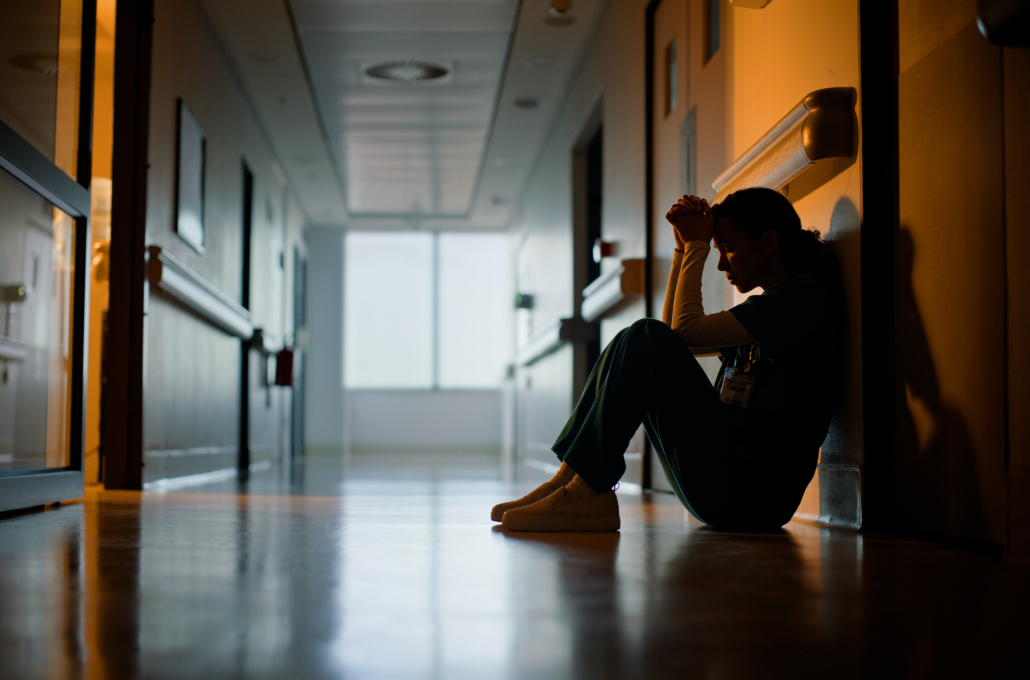
Emotional exhaustion typically develops when someone has been carrying too much for too long — emotionally, mentally, or relationally. It may arise from caregiving, chronic workplace stress, relationship strain, unresolved trauma, or prolonged anxiety.
Common signs include:
-
Feeling emotionally drained or numb
-
Difficulty regulating emotions
-
Reduced ability to cope with everyday challenges
-
Increased irritability or withdrawal
-
Feeling “on edge,” overwhelmed, or depleted
Emotional exhaustion often occurs before burnout, and if left unaddressed, it can escalate into more significant mental health symptoms such as anxiety, depression, or dissociation.
What is burnout?
Burnout is a more advanced state of emotional, physical, and cognitive depletion that stems from chronic stress — especially in work or caregiving environments. It is characterized by:
-
Persistent fatigue not relieved by rest
-
A sense of detachment or cynicism
-
Difficulty concentrating or completing tasks
-
Feeling ineffective, hopeless, or “checked out”
-
Loss of motivation, passion, or sense of purpose
Burnout is not simply stress. It reflects the system’s inability to continue functioning under prolonged pressure. For many people, burnout also unearths deeper concerns such as unprocessed trauma, perfectionism, or long-term anxiety patterns.
How these two conditions overlap
Emotional exhaustion and burnout share several similarities. Both may lead to:
-
Sleep disturbances
-
Heightened anxiety
-
Mood swings
-
Physical symptoms such as headaches or muscle tension
-
Reduced resilience to daily stress
Both can also make it difficult to maintain relationships, stay engaged at work, or feel grounded. Without support, individuals may begin to experience symptoms of depression, panic, or emotional dysregulation.
When emotional exhaustion becomes a mental health concern
Stress alone does not indicate a mental health disorder — but emotional exhaustion and burnout can significantly disrupt daily life and overall functioning.
You may benefit from professional support if you notice:
-
Difficulty completing basic tasks
-
Emotional overwhelm that feels unmanageable
-
Persistent sadness or hopelessness
-
Isolation from friends or family
-
Loss of interest in activities
-
Inability to rest or “shut off” your mind
-
Feelings of detachment or dissociation
In these moments, higher levels of care such as a Partial Hospitalization Program (PHP) or Intensive Outpatient Program (IOP) may offer structure, safety, and therapeutic tools to help you regain balance.
How LIDO Wellness Center supports individuals experiencing exhaustion and burnout
Our team provides trauma-informed, compassionate care for individuals navigating emotional exhaustion, workplace stress, perfectionism, or burnout-related symptoms. Through a combination of group therapy, individual therapy, skills-building, and holistic interventions, we help clients:
-
Understand the underlying causes of their exhaustion
-
Rebuild emotional capacity
-
Strengthen regulation and grounding skills
-
Address trauma or anxiety that may be contributing
-
Restore confidence, clarity, and resilience
For those needing more support than weekly therapy, our PHP and IOP programs offer a safe, structured pathway to stabilize and begin healing.
Moving toward restoration
Burnout and emotional exhaustion are not signs of weakness — they are indicators that your nervous system has carried more than it was ever meant to manage alone.
Recognizing these signs is the first step toward healing. With compassionate support, grounding skills, and a space to reconnect with yourself, recovery is absolutely possible.
Your Next Step
If you or a loved one is considering treatment at Lido Wellness Center, expect to find a place that values progress over perfection. A place where structure meets warmth, and where every detail—from the clinical approach to the environment—is built to help you regain balance and move toward lasting wellness.
Reach out today to learn more about programs and admissions, or simply to talk through what the next step might look like for you. 👉 Contact Lido Wellness Center
Part of the Pathway Healthcare Network
Lido Wellness Center is proud to be part of the Pathway Healthcare network — a system of care providers dedicated to behavioral health treatment. Learn more about the Pathway Extended Network here.
Explore Our Extended Network: