The Psychology of Halloween
For most of the year, hearing someone move behind you in a dark room would be unwelcome. In October, people buy tickets for it. They stand in line, enter a building with questionable lighting, and hope someone dressed as a monster makes them scream.
Human beings are complicated. Our entertainment choices offer regular confirmation.
But enjoying a scary movie or haunted attraction isn’t necessarily strange. The psychology of Halloween helps explain how fear can become fun—and why the same experience feels very different from one person to another.
Fear Feels Different When We Choose It
A frightening story lets us encounter danger within a protective frame. The movie has credits. The actor eventually goes on break. We can close the book, turn on the lights, or decide that one haunted hallway was enough.
That sense of choice changes the experience. We may feel startled or tense while also understanding that we’re participating in entertainment.
Actual danger doesn’t offer the same agreement. Neither does an unexpected trauma reminder. The difference isn’t simply how dramatic the situation looks from outside; it includes whether the person feels safe, willing, and able to stop.
This is why surprising someone “for fun” isn’t automatically fun for them.
There May Be a Sweet Spot for Scary
Research at a haunted-house attraction found that enjoyment was highest around a moderate level of fear. Too little fear could be dull; too much could overwhelm the enjoyment.
That doesn’t establish a universal formula. Participants were people who chose to attend a frightening attraction, and their responses don’t represent everyone. Still, the finding supports something familiar: the right amount of scary depends on the person.
One friend enjoys suspense with a clear ending. Another wants an elaborate attraction with actors around every corner. Someone else would prefer a pumpkin patch where the most threatening feature is the parking situation.
These preferences don’t rank anyone’s courage or emotional health.
The Ending Is Part of the Appeal
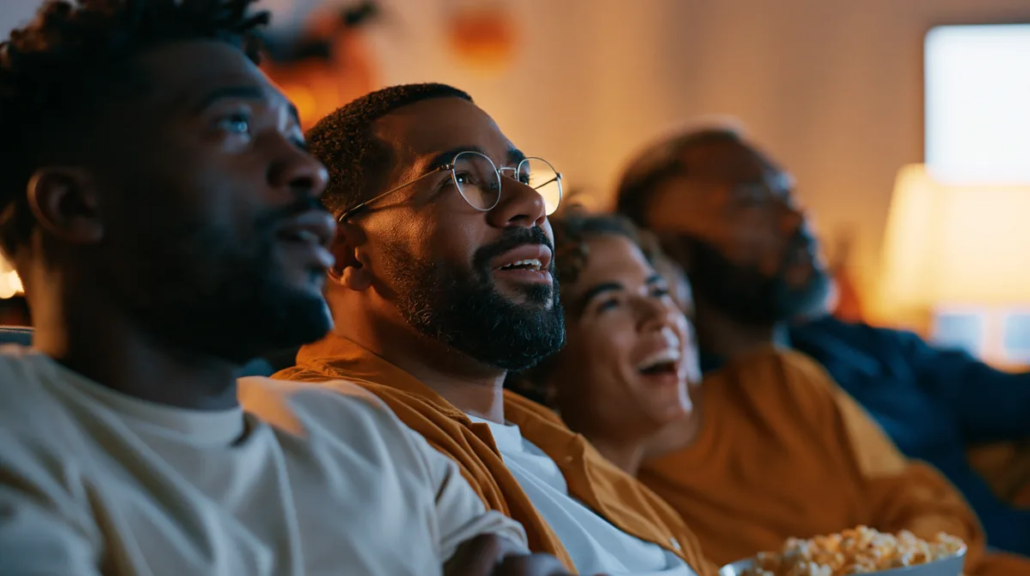
Think about the moment after a jump scare. There may be laughter, an exhale, or an immediate conversation about who screamed first. The frightening moment has passed, and the group knows it.
For some people, that contrast is enjoyable. A story can also give fear a shape: something happens, characters respond, and eventually the experience ends.
Everyday worry is often less cooperative. A concern about your health, your family, or your future may not resolve within ninety minutes. That difference helps explain why someone might enjoy fictional suspense while finding uncertainty in daily life exhausting.
Enjoying horror doesn’t mean someone is immune to anxiety. Disliking it doesn’t mean they lack resilience.
Shared Fear Can Become a Social Experience
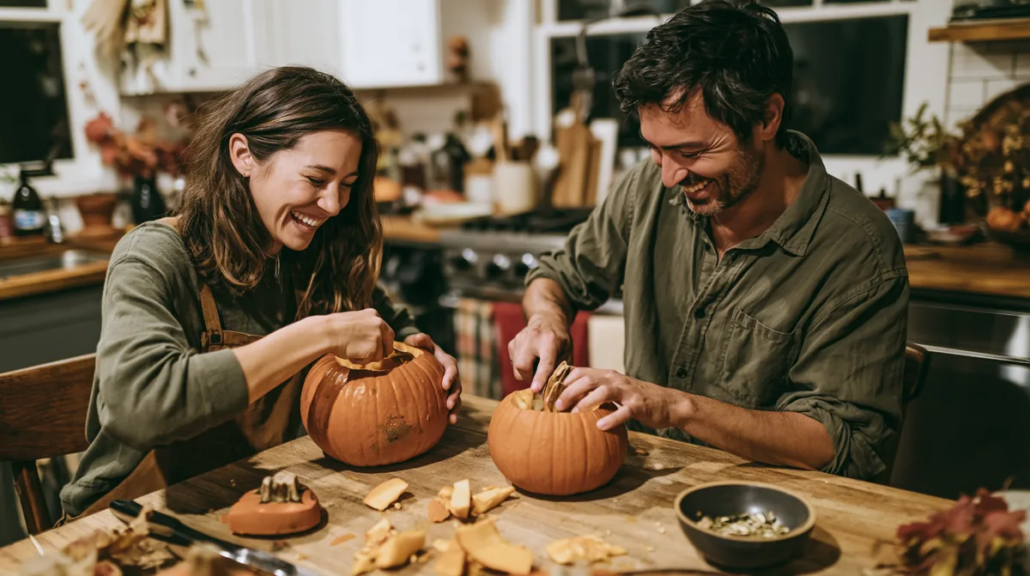
Halloween also gives people something to do together. Friends negotiate movie choices, compare reactions, and laugh about the person who insisted they wouldn’t be scared.
Sometimes the enjoyable part is the companionship surrounding the fear. The decorations, costumes, familiar rituals, and trip for food afterward may matter as much as the attraction itself.
Before assuming you need to tolerate more fear, consider what you actually enjoy. You might love the atmosphere and dislike the jump scares. You might enjoy a suspenseful story but hate being startled by someone standing behind you.
Knowing the difference makes it easier to choose an evening you want to experience.
psychology of Halloween: When Fear Stops Being Fun
For someone experiencing panic, post-traumatic stress, or another mental health concern, frightening entertainment may bring distress that continues afterward. Sleep may become difficult. Images may feel intrusive. A person might feel disconnected, overwhelmed, or unable to settle. This goes beyond the psychology of Halloween and into real mental health.
That response deserves care rather than teasing. “It’s only a movie” describes the source of the image, but doesn’t necessarily help the person experiencing its effects.
On the other hand, having anxiety or a trauma history doesn’t automatically mean horror is off-limits. People vary. Your own response matters more than somebody else’s rule about what you should enjoy.
How to Make Halloween Feel Better
Choose your boundaries before the evening begins. Ask about the intensity of an attraction, check content information, and agree that anyone can leave without defending the decision.
During the experience, notice whether you’re enjoying the tension or enduring it to avoid disappointing someone. If you feel overwhelmed, step into a quieter space, orient yourself to your surroundings, and contact a trusted person if needed.
Afterward, give yourself time to settle. Choose a familiar activity and a manageable bedtime rather than another round of frightening content.
Scary entertainment isn’t a substitute for exposure therapy, which uses an individualized treatment plan and professional guidance.
When Fear Needs More Support
If fear regularly disrupts sleep, relationships, work, or everyday activities, the concern extends beyond Halloween preferences. You deserve help understanding what’s happening.
Lido Wellness Center offers trauma-focused mental health treatment in Newport Beach, including IOP and PHP for people who need structured outpatient support.
Call 949-541-8466 to discuss your options. You can enjoy Halloween, skip the frightening parts, or change your mind midway through. None of those choices requires an apology.